
What State Farm’s Internal Files Reveal About Claim Denials
Most people do not expect to have to fight their insurance company.

You pay your premiums. You report the accident. You provide the paperwork. And you assume that the insurer will do the right thing and pay what the policy covers.
But anyone who has spent enough time helping injured people knows that is not always how it goes.
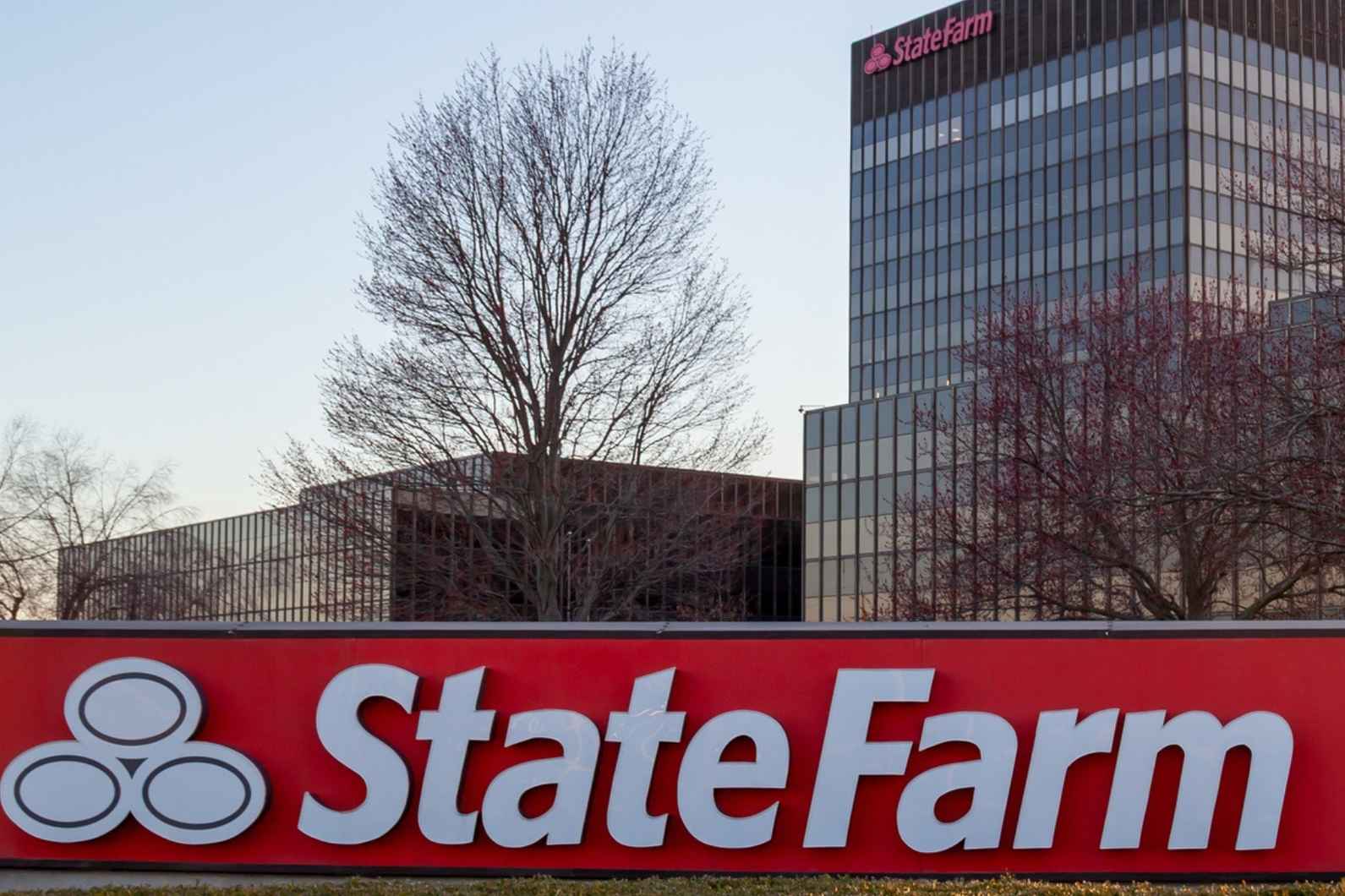
That is why the newly unsealed documents from State Farm offer a rare look at what may be happening behind the scenes when claims are evaluated. The records come from litigation over wind and hail claims in Oklahoma, bringing renewed attention to how insurers measure claims, manage adjusters, and think about reducing payouts.
And for anyone who has ever wondered why an insurance company seemed determined to pay less than expected, the allegations raise some important questions.
The allegations in the Oklahoma litigation involve wind and hail homeowners’ claims, not auto accident or personal injury claims. Still, the frustration at the heart of the dispute will be familiar to anyone who has had an insurance claim become a fight.
At Harlan Hillier DiGiacco, we have seen firsthand how quickly an insurance claim can turn into a frustrating back-and-forth. An adjuster may question an injury. A carrier may ask for more documentation. A claim may sit unresolved while bills continue to arrive. Or an insurer may make an offer that sounds reasonable until you look closely at what it actually covers.
Inside the State Farm Dispute That Unsealed 31 Internal Documents
The documents became public as part of litigation brought by Oklahoma homeowners who accuse State Farm of improperly handling wind and hail claims, particularly claims involving roof damage.
A judge ordered the release of 31 documents that State Farm had previously sought to keep protected. The records reportedly include internal emails, instant messages, data dashboards, and communications involving company initiatives related to wind and hail claims.
According to reporting on the documents, plaintiffs’ attorneys contend that State Farm developed a claims strategy that focused on reducing indemnity payments and increasing savings on certain claims.
One figure has received particular attention: According to attorneys for the homeowners, internal records show that State Farm reduced indemnity payments by approximately $1.4 billion during the program’s first full year.
The attorneys argue that the figure represents money that otherwise would have been paid to policyholders.
State Farm strongly disputes that characterization. The company maintains that its claims decisions are based on the terms of individual policies and the facts of individual losses.
What the Numbers May Tell Us About State Farm’s Claims Strategy
According to reporting on the documents, one internal communication referenced a 39% “closed without payment” ratio. That means nearly 4 out of every 10 claims were reportedly being closed without any payment at all. For someone who has just experienced property damage, that denial could be life-altering.
Other communications reportedly calculated that State Farm could save more than $15,000 on an average denied or underpaid roof claim. Attorneys for the Oklahoma homeowners have pointed to an internal figure of approximately $78.8 million in average savings associated with reducing full roof replacement payments.
Those numbers help explain how the much larger $1.4 billion reduction in indemnity payments became possible, according to the homeowners’ attorneys.
Their allegation is that the program was not simply about evaluating individual roofs differently; it was about changing claims outcomes in ways that produced measurable financial savings for the company.
The documents also raise questions about what these cost-cutting goals looked like in practice. According to plaintiffs’ attorneys, State Farm limited how much individual adjusters could approve on their own and required managers to sign off on certain full roof replacement claims. They also point to a “Fixed Profit Task Force” that continued these efforts even after State Farm employees had reportedly raised concerns about how claims were being handled.
The documents also include concerns raised by State Farm agents. Louisville, Kentucky-based agent Tracy Haus reportedly wrote to company leadership that, despite “bleed[ing] State Farm logos,” she was worried about the company’s reputation. She wrote:
“The old slogan of ‘we pay what we owe, not a penny less, not a penny more,’ is not the case right now. We now pay really low and customers fight to get what we owe them in more and more cases…. We need a drastic change before it’s too late.”
This Is Not Just About Roofs
If you were not affected by a hailstorm in Oklahoma, you might reasonably wonder why any of this should matter to you.
The answer is not that a dispute over homeowners’ claims automatically proves anything about your accident claim.
The broader lesson is about the relationship between an insurer and the person making a claim.
Insurance companies are businesses. They investigate claims, evaluate losses, make coverage decisions, and negotiate settlements. They are entitled to question claims they believe are unsupported.
But the person filing the claim also has rights.
We see the difference that can make in our own practice. Someone comes to us after a serious accident because the insurance company has spent weeks asking questions, requesting records, disputing treatment, challenging liability, or offering an amount that does not seem to account for what the person has actually lost.
By that point, the person is often exhausted. And instead of feeling like the insurance process is helping them move forward, they feel like they have to prove that their injuries and losses are real.
That is when having a lawyer on your side after an accident can make a meaningful difference when you’re struggling with the insurance company.
The Bigger Lesson From the State Farm Litigation
The Oklahoma litigation is still developing. State Farm denies the allegations and says its claims practices have been mischaracterized. The courts will ultimately decide the legal issues raised in these cases.
But the broader question raised by the unsealed documents is one every policyholder can understand: When you need your insurance company to come through for you, how do you know you are getting a fair evaluation of your claim?
The documents at issue involve wind and hail claims, not every type of insurance claim. But what they show us is that policyholders should not assume an insurer’s first decision, valuation, or settlement offer is automatically the final word.
If you’re at odds with an insurance company after a personal injury accident, you don’t have to handle it alone. Call Harlan Hillier DiGiacco at (619) 330-5120 or fill out our online form for a free, confidential consultation.
Related Resources
If you found this State Farm scandal content helpful, please view the related topics below:
Contact us if you have specific questions on the matter or if you’d like to schedule a free consultation.
Achievements in Excellence

Free Consultation
Start by contacting us for your free case review.